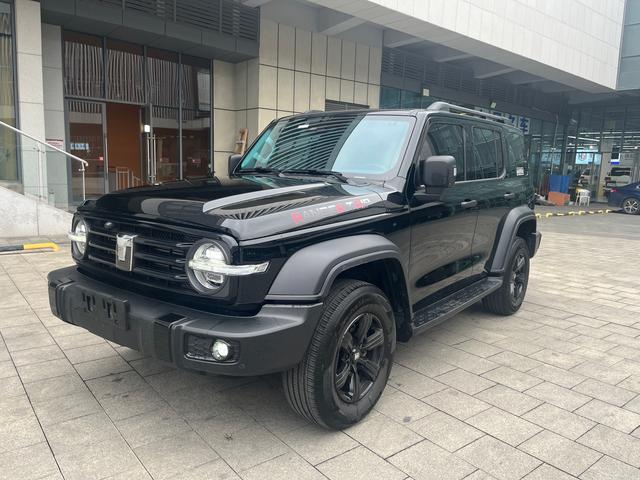
Once you have bought a used car in China, one decision shapes your cost, your risk and your transit time more than any other: do you ship it RoRo or in a container? Here is how the two methods really compare — with the numbers, the EV-battery rules, and the exact door-to-port process we run every week.
The short version
- RoRo (the car is driven onto a vessel) is cheapest and simplest for a single car to a major port.
- Container costs more per car but protects the vehicle, lets you consolidate 2–4 cars, and reaches ports RoRo lines don’t serve.
- Most EVs now ship in containers because lithium batteries are regulated dangerous goods and many RoRo lines restrict them.
- Whichever you pick, the paperwork is the same: Bill of Lading, CCIC inspection, Certificate of Origin, invoice and packing list.
The two ways a used car crosses the ocean
There are only two mainstream methods for moving a vehicle by sea. In Roll-on/Roll-off (RoRo), the car is driven up a ramp and parked on a dedicated car-carrier deck, like a floating multi-storey car park. In container shipping, the car is loaded into a steel shipping container, chocked and strapped down, and travels as sealed cargo on an ordinary container ship.
Both get the car there. The difference is cost, protection, which ports you can reach, and — increasingly — whether the car is electric. Our logistics and customs guide covers the wider journey; this article zooms in on the shipping-method choice.
RoRo — roll-on, roll-off
RoRo is the default for high-volume car export because it is efficient and cheap. The car is driven aboard by port staff and secured on deck; nothing is disassembled. Loading and discharge are fast, which helps on frequent liner schedules to major automotive ports.
Container shipping
A 20-foot container fits one car comfortably; a 40-foot high-cube fits two, and with a rack frame up to three or four. The car is sealed inside, isolated from weather and handling, which is why higher-value vehicles and EVs travel this way. Consolidating multiple cars in a 40-foot box also drops the per-unit cost sharply — the reason wholesale buyers prefer it.
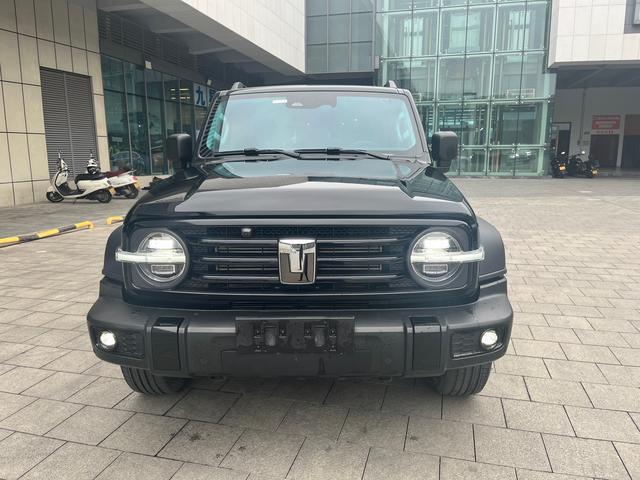 RoRo — driven aboard
Standard running vehicles to major ports — lowest cost.
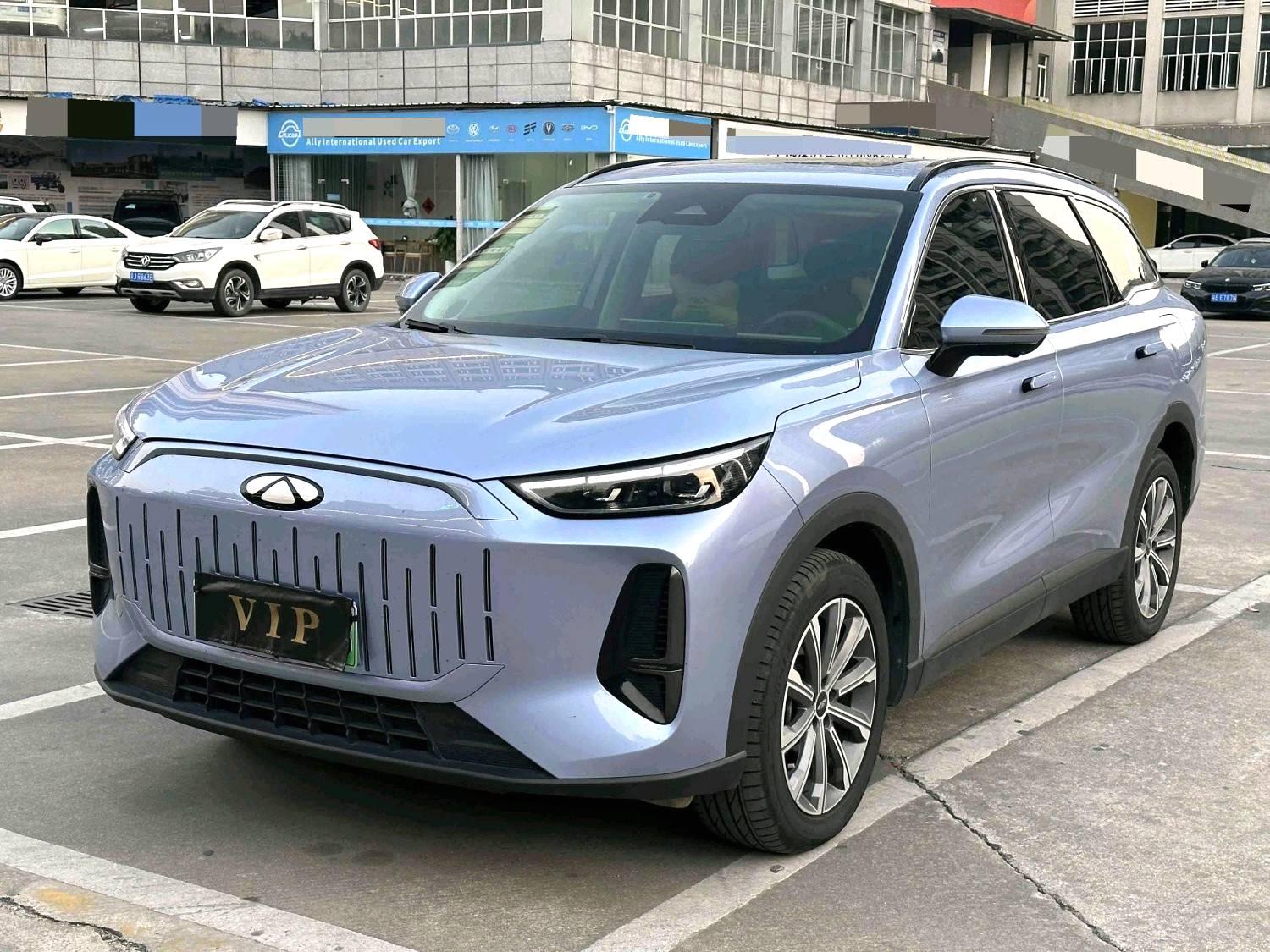 Container — sealed inside
Sealed, weatherproof, consolidate 2–4 cars, reaches more ports.
Cost, capacity and transit — the real numbers
Figures below are typical ranges from China to common export ports; your exact rate depends on route, season and fuel surcharges, so treat them as planning numbers and ask us for a live quote.
| Factor | RoRo | 20ft container | 40ft container |
|---|---|---|---|
| Cars per unit | 1 (per slot) | 1 | 2–4 with rack |
| Indicative cost | $$ (lowest per car) | $$$ | $$$$ total, lowest per car when full |
| Protection | Open shared deck | Sealed steel box | Sealed steel box |
| EV-friendly | Often restricted | Yes (declared DG) | Yes (declared DG) |
| Port coverage | Vehicle terminals only | Any container port | Any container port |
| Loading speed | Fast (drive on) | Slower (load & lash) | Slower (load & lash) |
| Best for | Single running car, budget | One valuable car / EV | Wholesale, multiple cars |
Which should you choose?
- One running petrol/diesel car, major port, tight budget → RoRo.
- A valuable car, or any EV → container (protection + battery rules).
- Two to four cars at once → a 40-foot container — lowest cost per unit.
- Destination has no RoRo terminal (inland or smaller port) → container.
- You want the car sealed against weather and pilferage → container.
Shipping EVs: the lithium-battery rules
An electric or plug-in hybrid car carries a large lithium-ion battery, which is classed as dangerous goods (UN 3171) under the IMO’s IMDG Code. That has practical consequences for how — and whether — you can ship it.
The China-to-port shipping process, step by step
From our yard to your port
- 1Book space & methodWe reserve RoRo slot or container capacity on a sailing that fits your destination and timeline.
- 2Inland transport to portThe car is trucked from Chongqing to the load port (Shanghai, Ningbo, Tianjin).
- 3CCIC pre-export inspectionThird-party inspection of condition, VIN and — for EVs — battery health, completed in ~3 working days.
- 4Export customs clearanceWe file the export declaration with invoice, packing list and inspection report.
- 5LoadingRoRo: driven aboard. Container: chocked, strapped and sealed; we send loading photos the same day.
- 6Bill of Lading issuedThe B/L — your title document — is released 2–3 days after the vessel sails.
- 7Sailing & trackingTrack the vessel by name/IMO on any marine-traffic service until it nears your port.
- 8Arrival & import clearancePresent B/L + CCIC + Certificate of Origin, pay local duty/VAT, and collect the car. Total door-to-port is commonly 25–60 days.
Documents you must have
- Bill of Lading (B/L) — the shipping title; you cannot release the car without it.
- CCIC pre-shipment inspection report — required by many destination customs regimes.
- Certificate of Origin (CO) — needed to claim any preferential duty rate.
- Commercial invoice & packing list — the basis for customs valuation.
- Export licence / declaration and, for EVs, the dangerous-goods declaration.
RoRo saves you money; a container saves you worry. For a single running car to a big port, RoRo wins. For anything valuable, electric, or bound for a smaller port, ship it in a box.
ND Motors logistics desk